Mold and Indoor Air Quality (IAQ) Inspections
Ten Things You Should Know About Mold
- Potential health effects and symptoms associated with mold exposures include allergic reactions, asthma and other respiratory complaints.
- There is no practical way to eliminate mold and all mold spores in the indoor environment; the way to control indoor mold growth is to control moisture.
- If mold is a problem in your home or school, you must clean up the mold and eliminate sources of moisture.
- Fix the source of the water problem or leak to prevent mold growth
- Reduce indoor humidity (to 30-60%) to decrease mold growth by:
- Venting bathrooms, dryers and other moisture-generating sources to the outside
- Using air conditioners and de-humidifiers
- Increasing ventilation
- Using exhaust fans whenever cooking, dishwashing, and cleaning
- Clean and dry any damp or wet building materials and furnishings within 24-48 hours to prevent mold growt.
- Clean mold off hard surfaces with water and detergent, and dry completely. Absorbent materials such as ceiling tiles, that are moldy, may need to be replaced.
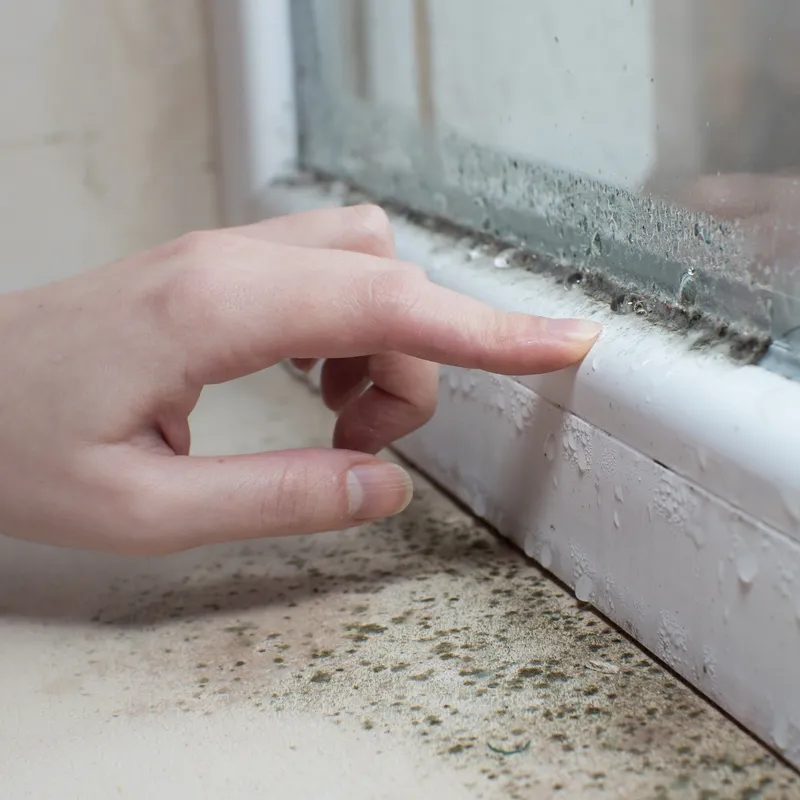
- Prevent condensation: Reduce the potential for condensation on cold surfaces (e.g. windows, piping, exterior walls, roof, or floors) by adding insulation
- In areas where there is a perpetual moisture problem, do not install carpeting (e.g. drinking fountains, classroom sinks, or concrete floors with leaks or frequent condensation).
- Molds can be found almost anywhere; they can grow on virtually any substance, providing moisture is present. There are molds that can grow on wood, paper, carpet, and foods
How do molds affect people?
Molds are usually not a problem indoors, unless mold spores land on a wet or damp spot and begin growing. Molds have the potential to cause health problems. Molds produce allergens (substances that can cause allergic reactions) and irritants. Inhaling or touching mold or mold spores may cause allergic reactions in sensitive individuals. Allergic responses include hay fever-type symptoms, such as sneezing, runny nose, red eyes, and skin rash.
Allergic reactions to mold are common. They can be immediate or delayed. Molds can also cause asthma attacks in people with asthma who are allergic to mold. In addition, mold exposure can irritate the eyes, skin, nose, throat, and lungs of both mold-allergic and non-allergic people. Symptoms other than the allergic and irritant types are not commonly reported as a result of inhaling mold. Research on mold and health effects is ongoing
The above does not describe all potential health effects related to mold exposure. For more detailed information consult a health professional, your state or local health department, or the Centers for Disease Control and Prevention mold website.
Asthma and Mold
Molds can trigger asthma episodes in sensitive individuals with asthma. People with astha should avoid contact with or exposure to molds. Read more about asthma triggers on EPA's Asthma Website.
Frequently Asked Questions About Mold
- What is mold?
- What are ten things I need to know about mold?
- How can I tell if I have a mold problem?
- Why is mold growing in my home?
- What is the difference between mold and mildew?
- What does mold smell like?
- What about mold in large buildings?
- Are there federal regulations or standards regarding mold?
Mold and Moisture
Mold Cleanup
- Does ultravoilet (UV) radiation from UV lamps kill mold?
- Should I use bleach to clean up mold?
- What are the basic mold cleanup steps?
- How do I get rid of mold?